How to Get Your Rental Approved for Section 8: A Step-by-Step Guide for Landlords
So, you’ve decided that accepting Housing Choice Vouchers (Section 8) could be a smart move for your rental property. You’re not alone—thousands of landlords across the country are finding success with this strategy, especially in markets like Albuquerque where affordable housing is in high demand.
But before you can start collecting steady rent from the housing authority, your property needs to go through a formal approval process. And if you want it to go smoothly (and quickly), you’ll want to be prepared.
Here’s your step-by-step guide to getting your rental approved for Section 8—plus some pro tips to help you avoid common delays and setbacks.
Step 1: Contact Your Local Public Housing Authority (PHA)
Every Section 8 voucher is administered by alocal Public Housing Authority (PHA)—not directly by HUD. Your first step is toregister your rental property with the appropriate PHA, typically the one covering the city or county where your property is located.
In Albuquerque, that’s:
Albuquerque Housing Authority
1840 University Blvd SE, Albuquerque, NM 87106
📞 (505) 764-3920 | 🌐www.abqha.org
When you reach out, ask for theLandlord Packetor “Owner Information Guide.” This will include registration forms, rent request forms, and an overview of the Housing Quality Standards (HQS) your unit must meet.
Step 2: Set a Reasonable Rent Request
You’ll be asked to submit aRequest for Tenancy Approval (RFTA)that includes your desired rent amount. The housing authority will evaluate your request against:
Fair Market Rent (FMR)published by HUD
Comparable unitsin the neighborhood
Included utilities(as utility costs impact affordability)
Pro Tip: Check the current FMR guidelines for your ZIP code and price your unit competitively. If your rent is too high compared to similar units, it may get denied—or delayed for negotiation.
Step 3: Pass the Housing Quality Standards (HQS) Inspection
Once a tenant with a voucher applies and both parties complete the RFTA, the housing authority willschedule an inspectionof your unit. This is one of the biggest hurdles, but it’s also your chance to shine.
Inspectors will check that your unit is:
Structurally sound
Free from health or safety hazards
Equipped with working appliances, smoke detectors, heating, and hot water
Free of peeling paint (especially in homes built before 1978)
Clean, sanitary, and functional
Pro Tip: Walk the unit with the HQS checklistbeforethe inspection. Fix small issues like leaky faucets, broken locks, missing outlet covers, or loose railings in advance. Failing the inspection delays move-in and rent payments.
Step 4: Finalize Lease and Approval
If your unit passes inspection and the rent is approved, you’ll be asked to sign:
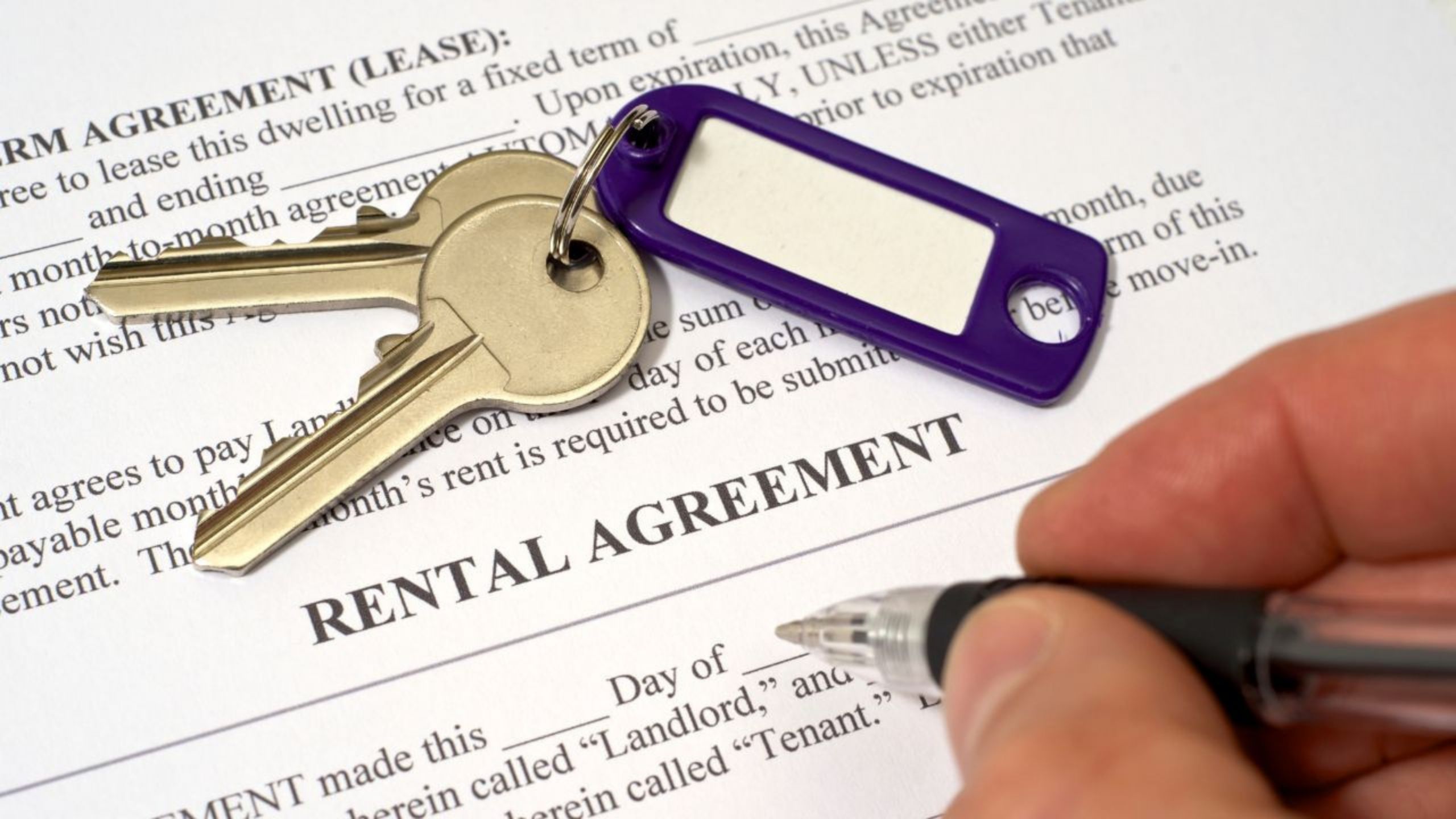
Your standard lease agreementwith the tenant (minimum of 1 year)
AHousing Assistance Payments (HAP)contract with the housing authority
This three-way agreement ensures you receive monthly rent payments—part from the tenant, part from the PHA.
Note: The lease must align with PHA guidelines and cannot include illegal clauses or excessive fees. Read carefully and ask questions if you’re unsure.
Step 5: Set Up Payment & Communication Systems
Once approved, the housing authority willbegin monthly direct depositsinto your account. Be sure to:
Provide accuratebanking information
Keepgood recordsof tenant and PHA communications
Understand yourongoing responsibilities(repairs, inspections, notices)
Pro Tip: Respond promptly to repair requests and follow up after completing work. Repeat inspection failures can cause payment holds or tenant relocation.
Common Mistakes to Avoid
Not preparing for the inspection
Overpricing the unit above allowed limits
Failing to submit complete or legible paperwork
Delaying tenant screening while waiting on approval
Assuming the tenant is responsible for 100% of communication
Remember: the PHA is yourpartner, not your property manager. You’re still responsible for screening the tenant, enforcing the lease, and managing the property.
Final Thoughts: Success Is in the Prep Work
Getting your rental approved for Section 8 is not overly complicated—but itdoes require planning, patience, and professionalism. The process typically takes2–4 weeks, depending on your market and how quickly you can address any issues.
If done right, Section 8 can be a reliable source of income and stability in your real estate portfolio.
Want Help Navigating the System?
At 505 Housing, we’ve helped countless landlordsprepare their units, pass inspections, and manage long-term Section 8 tenants. We know how to avoid costly delays, maximize rental income, and create a win-win for both landlords and residents.